
Vibrating wire displacement transducers: purpose
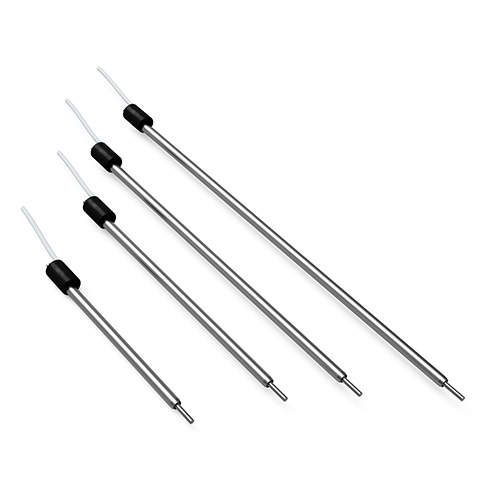
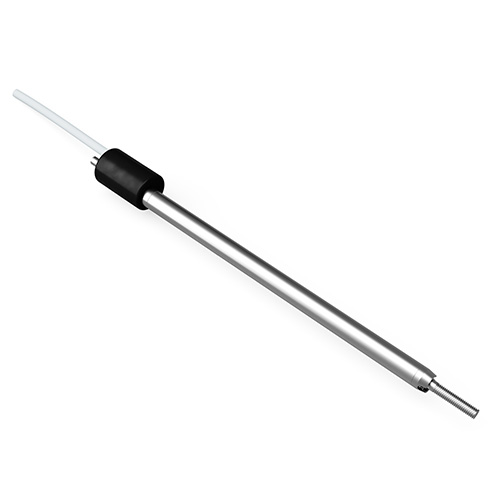
Vibrating wire displacement transducers are designed for automated and long-term measurement of linear displacement and deformation, providing high stability and reliability even under severe environmental conditions.
Operating principle
The operating principle is based on the variation in tension of an internal vibrating wire: displacement applied to the sensor produces a variation in the wire’s oscillation frequency that is directly correlated with the measured deformation.
Frequency signal
Unlike traditional analog-output sensors, the frequency signal is inherently stable and immune to electrical variations along cable lengths, allowing data transmission over significant distances without signal degradation.
Applications
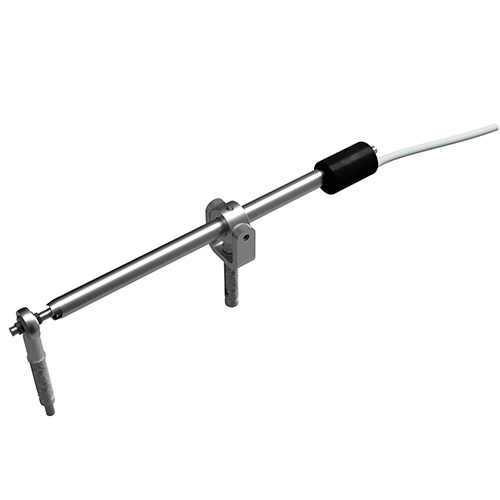
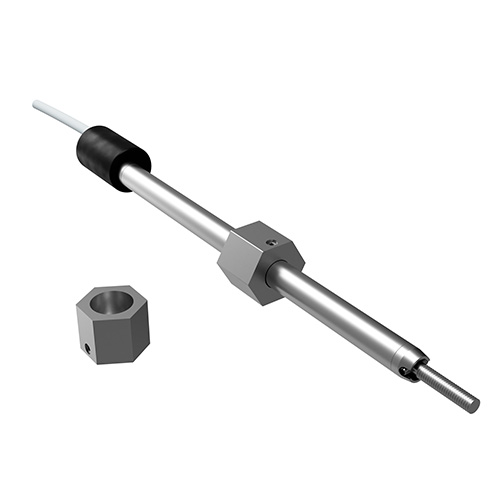
The transducers are commonly used for automation of rod extensometers, crack meters, and as components of other deformation measurement instruments, making them particularly suitable for permanent installations and long-term monitoring applications.
Construction
The fully stainless steel construction and high protection rating ensure durability and resistance even in aggressive environments such as construction sites, tunnels, and hydraulic structures.