

Flat jacks: purpose
Flat jacks are designed for in situ testing to determine the stress state and mechanical properties of masonry, concrete, and rock masses.
How it works
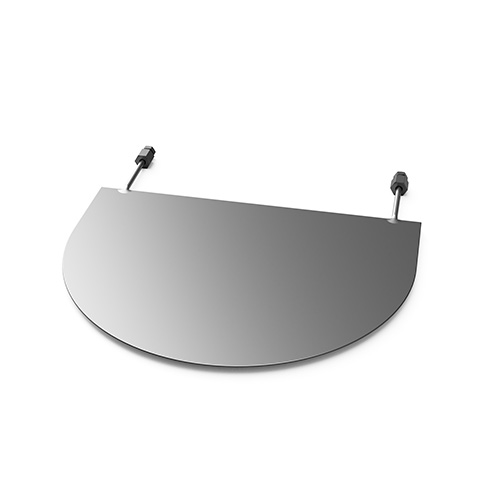
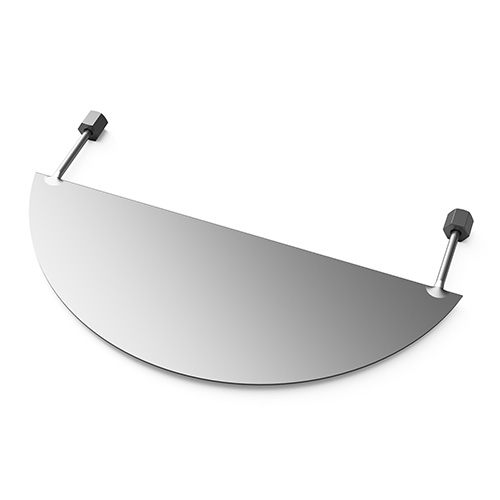
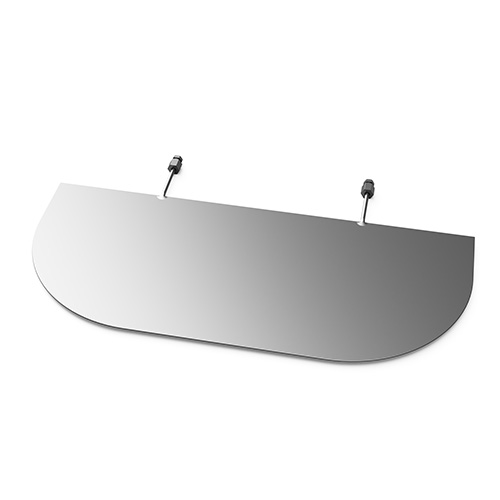
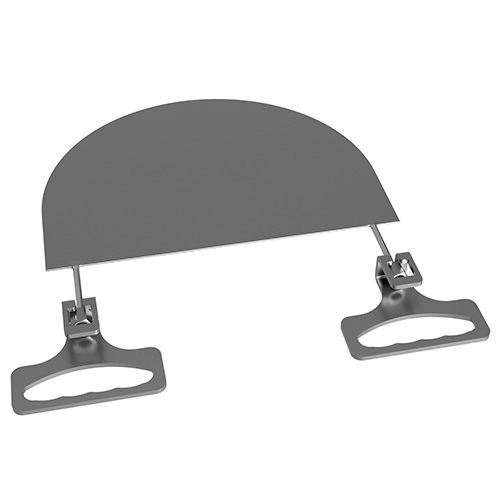
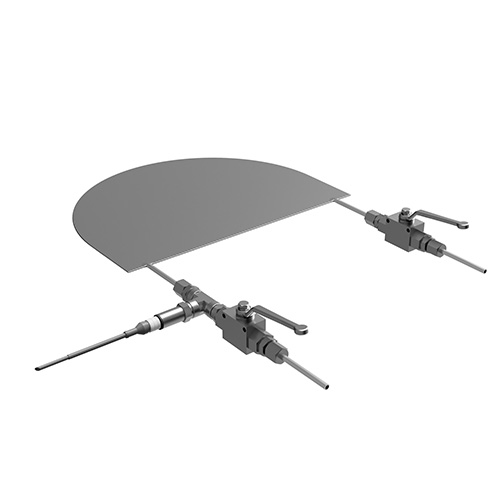
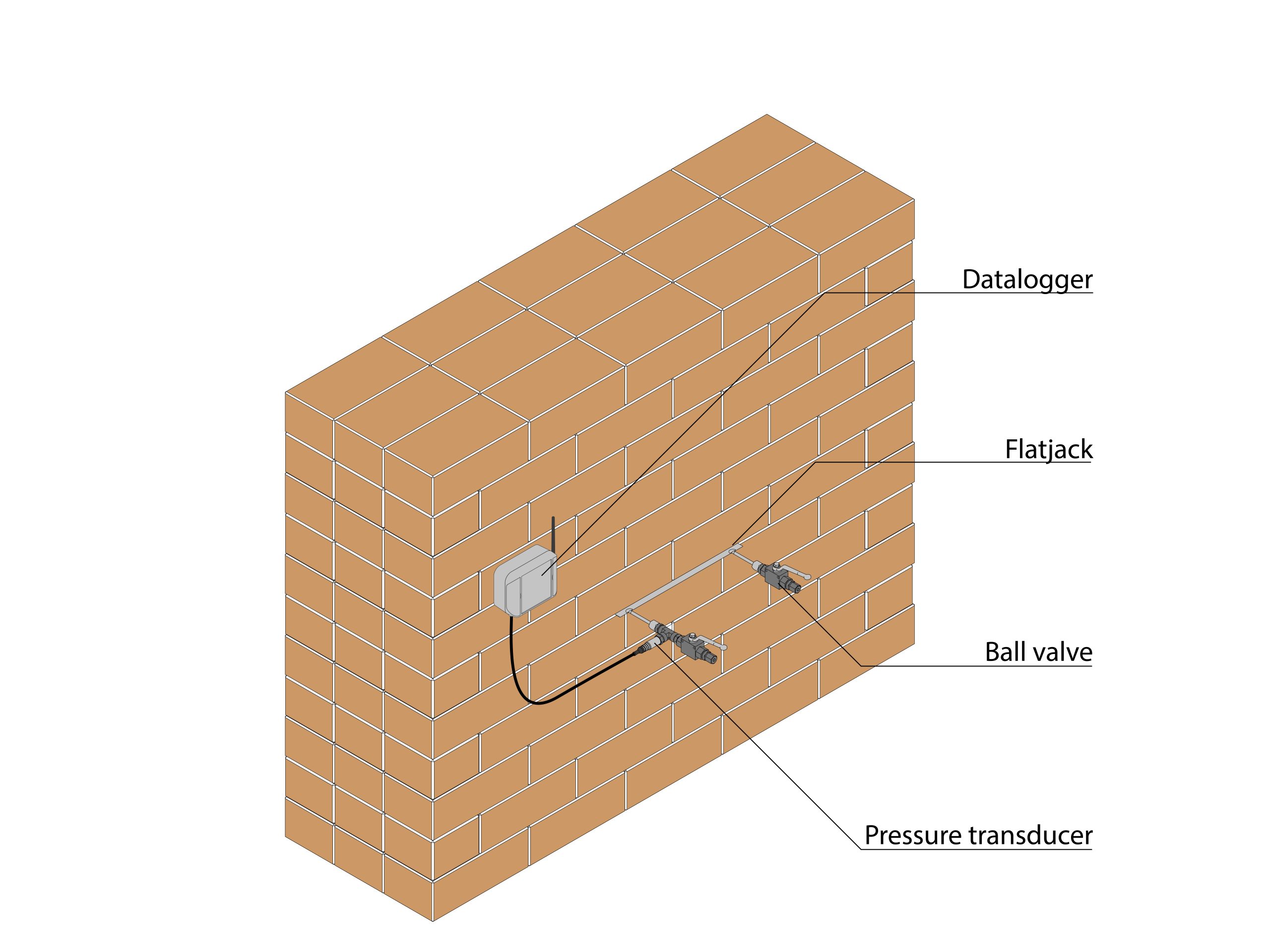
A flat jack consists of two thin steel plates welded along their perimeter, into which a pressurized fluid is introduced. Inserted into a cut made in the structure, the device is pressurized until the original deformation conditions are restored, allowing the stresses acting within the material to be determined in situ.
Test types
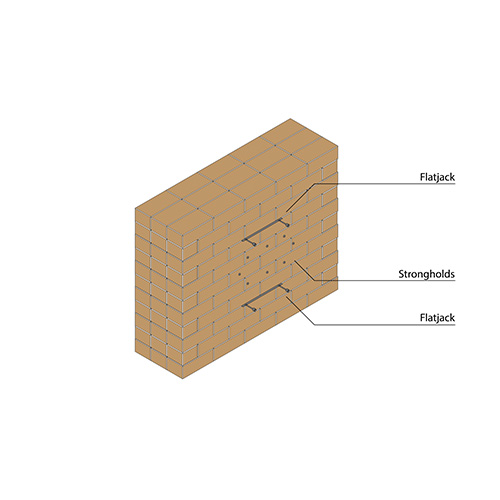
The instrument can be used for both single flat-jack tests, to measure the stress state, and double flat-jack tests, to evaluate masonry deformability, enabling a direct and representative analysis of structural behavior.
Range and quality
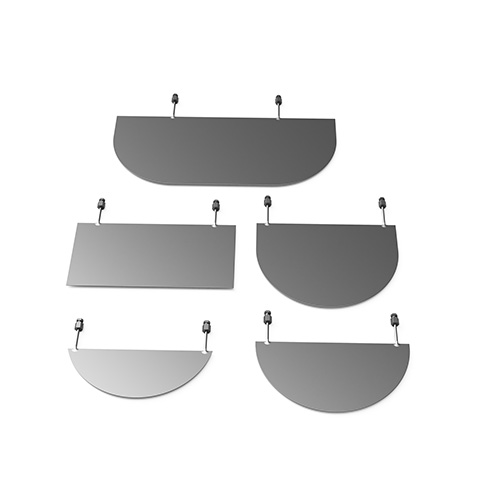
GESTECNO flat jacks are available in different geometries and sizes, manufactured from high-strength materials, and subjected to quality control and calibration to ensure reliability, precision, and adaptability to various field conditions.